Datacenter IP vs Residential IP: What Is the Difference?
By Brandon Visca 6 min read

On this page
- What Is a Datacenter IP?
- Key Characteristics
- Who Uses Datacenter IPs?
- What Is a Residential IP?
- Key Characteristics
- Who Uses Residential IPs?
- How to Tell Them Apart: Detection Techniques
- 1. IP Range and WHOIS Lookup
- 2. BGP and Network Topology
- 3. Reverse DNS (rDNS)
- 4. SSL Certificate Patterns
- 5. Behavioral Signals
- Why the Distinction Matters
- For Privacy and Bypass
- For Security and Fraud Prevention
- For Business Intelligence
- Cost Comparison
- How to Check an IP Type
- Which One to Use
Every IP address on the internet belongs to one of two broad categories: datacenter or residential. The difference is not just technical: it determines how websites, fraud systems, and security tools treat your connection.
If you have ever been blocked by a website while using a VPN, flagged as a bot, or wondered why some proxies cost ten times more than others, the answer is almost always the same: datacenter vs residential IP.
This guide breaks down exactly what separates these two IP types, how detection systems tell them apart, and what it means for your online privacy strategy in 2026.
What Is a Datacenter IP?
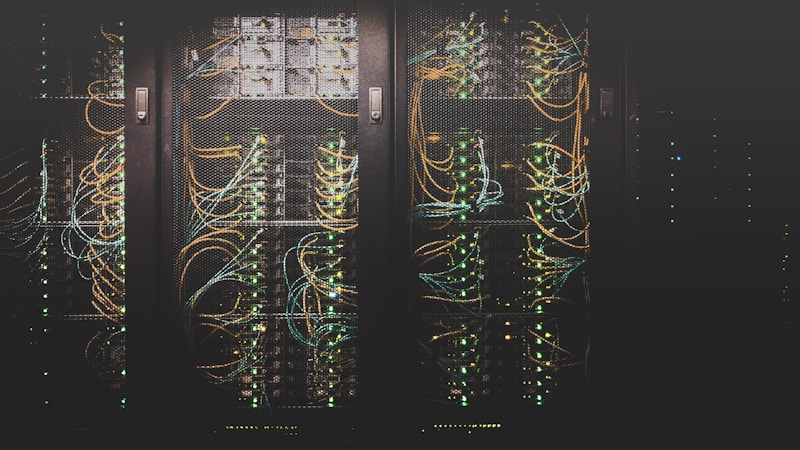
A datacenter IP is an address allocated to a server hosted in a data center. These IPs are not associated with a personal ISP subscription or a physical home address. They exist on infrastructure owned by cloud providers, hosting companies, and server farms.
Key Characteristics
- No ISP association: Datacenter IPs are registered to organizations like AWS, DigitalOcean, Hetzner, or OVH, not to an individual consumer.
- Predictable network patterns: The IP ranges are well-documented and publicly known. Most major cloud providers publish their IP blocks.
- High volume, low cost: A single datacenter can host thousands of IPs. This makes them cheap to lease and easy to rotate in bulk.
- No physical location tied to a person: The IP traces back to a server rack, not a home or office.
Who Uses Datacenter IPs?
- VPN services: Most commercial VPNs route traffic through datacenter servers.
- Web hosting: Websites, APIs, and applications run on datacenter infrastructure.
- Scraping and automation: Bots and crawlers often use datacenter proxies because they are affordable and easy to rotate.
- CDNs and edge networks: Content delivery networks use datacenter IPs to serve cached files.
What Is a Residential IP?
A residential IP is an address assigned by a consumer internet service provider (ISP) to a home or mobile connection. When you browse the internet from your house, your ISP (Comcast, AT&T, BT, or whatever provider you use) assigns you a residential IP.
Key Characteristics
- ISP association: The IP is registered to a named ISP and a geographic region, matching the physical location of the subscriber.
- Belongs to a real person: The IP traces back to a home connection, which gives it inherent trustworthiness in the eyes of websites.
- Limited supply: Residential IPs cannot be manufactured. They are tied to physical infrastructure and available connections.
- Higher cost, Because supply is finite and demand is high (especially for scraping, ad verification, and market research), residential proxies cost significantly more.
Who Uses Residential IPs?
- Ad verification companies: They need to see ads as real users in specific geographic locations.
- Market research and price aggregation: To bypass anti-bot measures on retail and travel sites.
- Social media management: To manage multiple accounts without triggering spam flags.
- Fraud prevention teams: To test whether their systems correctly identify proxy and VPN traffic.
How to Tell Them Apart: Detection Techniques
The distinction matters because websites actively filter traffic based on IP type. Here is how detection systems work.
1. IP Range and WHOIS Lookup
Datacenter IP blocks are registered to hosting companies. A simple WHOIS lookup reveals the organization that owns the IP. Residential IPs show consumer ISPs.
# Check a known datacenter IP
whois 159.89.128.0 | grep -E "OrgName|NetName|NetType"

# Check a known residential IP
whois 73.74.121.0 | grep -E "OrgName|NetName|NetType"
The WHOIS data for a datacenter IP will list a hosting provider. A residential IP will list an ISP like “Comcast Cable Communications” or “AT&T Internet.”
2. BGP and Network Topology
Datacenter IPs originate from autonomous systems (AS) operated by hosting companies. Residential IPs originate from ISP AS numbers. Mapping an IP’s BGP prefix reveals the type of network it belongs to.
Tools like BGPView and Hurricane Electric’s BGP Lookup make this accessible without a networking background.
3. Reverse DNS (rDNS)
Looking up the hostname associated with an IP often reveals its origin:
# Datacenter reverse DNS often contains provider names
host 159.89.128.0
# Output: 0.128.89.159.in-addr.arpa domain pointer cpu0.any.acme.io.

# Residential reverse DNS
host 73.74.121.0
# Output: 0.121.74.73.in-addr.arpa domain name c-73-74-121-0.hsd1.il.comcast.net.
Datacenter rDNS points to server hostnames. Residential rDNS points to consumer-facing domain names with ISP identifiers.
4. SSL Certificate Patterns
Datacenter IPs frequently host multiple domains or no domain at all. Residential IPs tend to be used for individual browsing sessions, not server hosting. Certificate transparency logs can reveal whether an IP has been used for HTTPS server hosting.
5. Behavioral Signals
Detection systems also look at how the IP behaves:
- Session duration: Residential users browse with normal session lengths. Bots and scrapers create short, high-frequency sessions.
- Request patterns: Human users navigate in logical sequences. Automated tools hit many pages in rapid succession.
- Mouse movement and clicks: JavaScript fingerprinting detects automation frameworks by measuring real browser behavior.
Why the Distinction Matters
For Privacy and Bypass
If you are trying to access geo-restricted content or avoid detection online, the IP type you use is critical. Websites with strong anti-bot measures (Google, Nike, ticket sellers, financial platforms) actively block datacenter IPs because they are strongly associated with automation.
Residential IPs are significantly harder to detect and block because they carry the trust signal of a real consumer connection.
For Security and Fraud Prevention
If you run a website, knowing whether a visitor’s IP is datacenter or residential helps assess risk. A login attempt from a freshly assigned datacenter IP that has no history is higher risk than one from a residential ISP connection.
E-commerce platforms, banking sites, and ticket vendors use this signal as one input among many in their fraud scoring models.
For Business Intelligence
Companies that rely on web data (price monitoring, competitor analysis, ad verification) depend on residential proxies to collect accurate data. Using datacenter IPs gets their scrapers blocked in minutes. Residential proxies let them blend in with normal user traffic.
Cost Comparison
| Factor | Datacenter IP | Residential IP |
|---|---|---|
| Typical cost | $1-$10/month per IP | $5-$50/month per GB of traffic |
| IP rotation | Easy and cheap | More expensive, often traffic-based |
| Availability | Unlimited supply | Limited to available ISP connections |
| Detection rate | High (well documented | Low) hard to distinguish from real users |
| Speed | Typically faster (dedicated bandwidth) | Variable: depends on residential connection |
How to Check an IP Type
You can use ippriv.com’s IP lookup tool to check whether an IP is datacenter or residential. The lookup returns the IP’s geolocation, ISP, and network type classification, giving you an instant answer without manual WHOIS research.
Which One to Use
For general privacy and browsing, datacenter IPs from a reputable VPN are sufficient. For high-stakes use cases (competitive intelligence, account management, or accessing heavily protected platforms) residential IPs justify their premium.
Related Articles
IP Addresses
Residential vs Datacenter vs Mobile IPs: Which One Do You Actually Need?
Not all IP addresses are created equal. Learn the key differences between residential, datacenter, and mobile IPs, and which type fits your specific use case in 2026.
6 min read
Security
Proxy Detection: Techniques and Best Practices
Understand proxy detection methods, their applications, and how to implement them in your applications.
7 min read

IP Addresses
X-Forwarded-For and Reverse Proxy Headers Explained
Learn how X-Forwarded-For and related headers preserve client IP addresses through proxies, CDNs, and load balancers. Essential for developers.
8 min read